
Straight Talk: Why More Adults Are Choosing Clear Aligners for a Better Smile
Braces used to be something you associated with awkward middle school photos and a mouth full of metal. But that image is changing fast. Today, adults of all ages are straightening their teeth — and they're doing it discreetly, comfortably, and on their own terms.
Clear aligner therapy has become one of the fastest-growing treatments in cosmetic dentistry, and it's not hard to see why. Whether you've always wanted a straighter smile or you've noticed your teeth shifting over the years, adult orthodontics is more accessible, more sophisticated, and more popular than ever before.
Why Adults Are Turning to Orthodontics Now
You might wonder why so many adults are pursuing orthodontic treatment later in life. The short answer: because they can, and because it works.
For many people, braces simply weren't an option growing up — whether for financial reasons, limited access to care, or the social stigma of wearing metal brackets as a teenager. Others had orthodontic treatment as kids but skipped retainer wear, allowing teeth to gradually shift back over time.
There's also a growing awareness that a straight smile isn't just about aesthetics. Misaligned teeth can make it harder to clean between teeth properly, contribute to uneven wear, and even affect your bite. Addressing alignment as an adult tackles both cosmetic and functional concerns at the same time.
What Are Clear Aligners, Exactly?
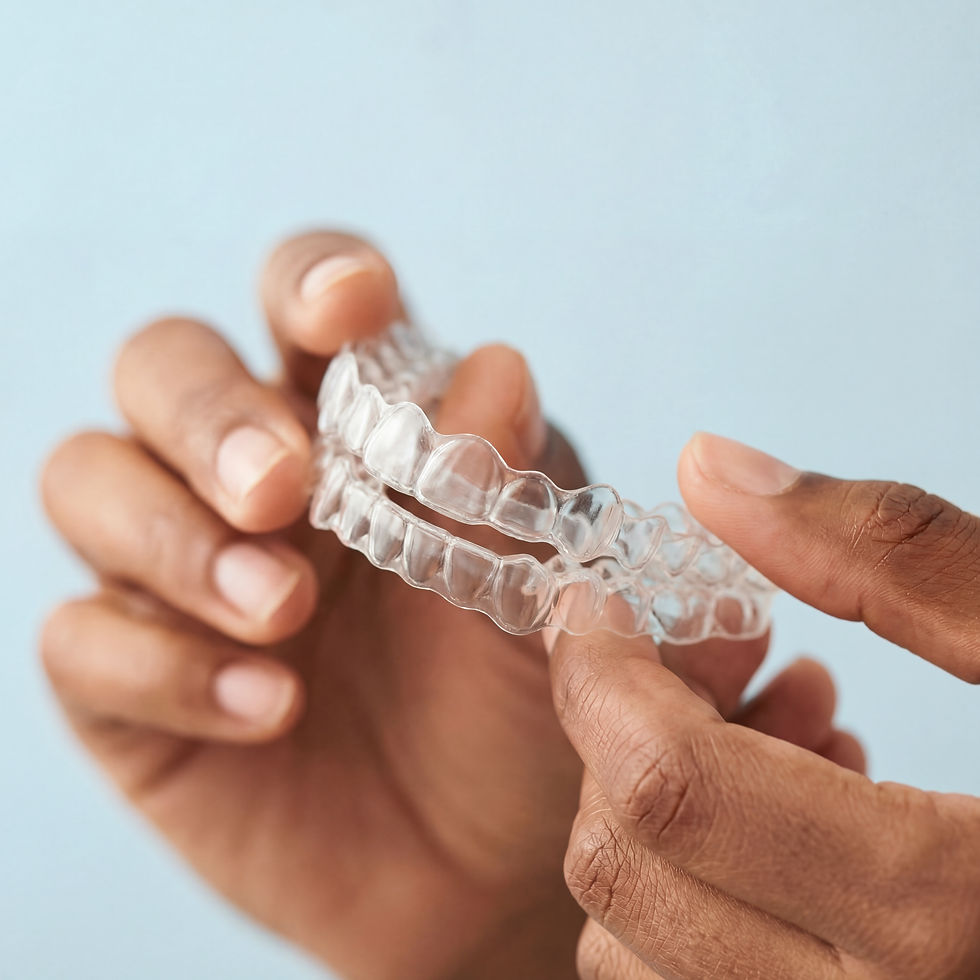
Clear aligners are a series of custom-made, removable trays that gradually shift your teeth into their ideal positions. You wear each set of trays for about one to two weeks before moving on to the next, with your smile changing incrementally over the course of treatment.
Unlike traditional braces, there are no wires, brackets, or tightening appointments. The trays are made from smooth, BPA-free plastic and are designed to fit snugly over your teeth — nearly invisible to anyone looking at you from a normal distance.
Popular systems like Invisalign have been around for over two decades, and the technology behind them has improved dramatically. Today's aligners are more precise, more comfortable, and capable of treating a wider range of alignment issues than earlier generations of the product.
The Cosmetic Benefits of a Straighter Smile
Straightening your teeth does more than close gaps or fix crowding. It can genuinely transform the overall appearance of your smile — and that transformation tends to have a ripple effect.
Here's what patients frequently report after completing clear aligner treatment:
A more symmetrical, balanced smile that complements their facial features
Improved confidence when speaking, laughing, or appearing in photos
Better results from other cosmetic treatments, like teeth whitening or veneers, because straight teeth provide a cleaner, more even canvas
A younger-looking appearance, since well-aligned teeth naturally look healthier and more vibrant
Many cosmetic dentists now recommend addressing alignment before pursuing other smile enhancements. Getting your teeth straight first can actually make everything else you invest in look even better.
Are You a Good Candidate for Clear Aligners?
Clear aligners are highly effective for a broad range of patients, but they're not the right fit for every situation. During a consultation, your dentist or orthodontist will evaluate your teeth, gums, and bite to determine whether aligners are the best path forward.
You're likely a strong candidate if you have:
Mild to moderate crowding or spacing
Minor bite issues such as a slight overbite, underbite, or crossbite
Teeth that have shifted after previous orthodontic treatment
Good overall oral health with no active gum disease or untreated cavities
Clear aligners may not be the best option if you have:
Severe bite misalignment that requires more complex correction
Significant bone or gum issues that need to be addressed first
Dental restorations like crowns or bridges that complicate aligner attachment
The good news is that if aligners aren't the right fit, there are other modern orthodontic options your provider can walk you through. The most important step is simply getting evaluated.
What to Expect During Treatment
One of the biggest reasons adults choose clear aligners over traditional braces is the lifestyle fit. Treatment generally feels less disruptive than you might expect.
Here's a typical overview of the process:
Initial consultation — Your provider takes digital scans or impressions of your teeth and maps out a custom treatment plan. Many systems offer a 3D preview of your projected results before you even start.
Receiving your aligners — You'll get your first set of trays, along with instructions for wear and care. Most people need to wear them for 20 to 22 hours per day for best results.
Progress check-ins — You'll have periodic appointments (often every six to eight weeks) to monitor your progress and pick up new trays.
Refinements, if needed — Some patients need a short round of additional trays to fine-tune their results near the end of treatment.
Retention — Once your teeth are in their final positions, you'll transition to retainers to keep them there. This step is just as important as the treatment itself.
How long does it take? Treatment timelines vary depending on complexity. Mild cases can be resolved in as little as six months. More involved alignment issues may take 12 to 24 months. Your provider will give you a realistic estimate during your consultation.
Life With Clear Aligners: The Practical Side
Part of what makes aligners so popular with adults is how well they fit into real life. A few things worth knowing:
You can eat whatever you want. Because the trays are removable, there are no dietary restrictions. Just take them out before meals and brush before putting them back in.
Maintenance is simple. Rinse your trays with warm water, brush them gently, and keep them in their case when you're not wearing them.
There's an adjustment period. Most people notice mild pressure or discomfort when switching to a new set of trays, but it typically fades within a day or two.
Speech may be slightly affected at first. A minor lisp is common in the first week or so, but nearly everyone adjusts quickly.
The key to great results is consistency. Wearing your aligners as directed makes all the difference in whether treatment finishes on time and whether your results match what was planned.
How Clear Aligners Fit Into a Full Smile Makeover
More cosmetic dentistry patients are now thinking about their smile as a whole — and clear aligners often play an important role in that bigger picture.
If you're considering treatments like professional whitening, bonding, or crowns alongside alignment correction, your provider can help you sequence everything for the best outcome. In many cases, straightening comes first so that any additional work is placed on properly positioned teeth.
This kind of comprehensive planning is where working with a cosmetic dentist — rather than a mail-order aligner company — really makes a difference. An experienced provider looks at your bite, your gum health, your facial proportions, and your long-term goals, not just the position of individual teeth.
Your Smile, Your Timeline
There's no rule that says you had to fix your teeth as a teenager. Adults are making confident, thoughtful choices about their smiles every day — and clear aligners make that easier than ever to act on.
Whether your goal is closing a gap you've been self-conscious about for years, correcting crowding that's getting worse with age, or simply giving your smile the attention it deserves, adult orthodontics may be exactly what you've been looking for.
Ready to find out if clear aligners are right for you? Book a consultation with our cosmetic dentistry team and get a personalized look at what treatment could do for your smile. We'll walk you through your options, answer your questions, and map out a plan that works for your life — no pressure, no guesswork.